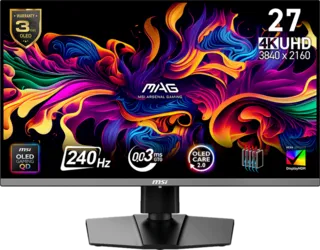
Overview
Mini-LED and OLED both aim to improve contrast and HDR, but they do it in different ways. OLED controls light at the pixel level. Mini-LED uses many small backlight zones behind an LCD panel.
That difference affects brightness, blooming, motion clarity, desktop use, and long-term care.
OLED Strengths
OLED usually has better black levels, cleaner pixel response, and stronger perceived contrast in dark scenes. It is excellent for gaming and movies, especially when you care about instant response and deep blacks.
The tradeoff is that OLED users need to respect static content. Modern monitors include protection features, but the usage pattern still matters.
Mini-LED Strengths
Mini-LED monitors can get very bright and do not carry the same burn-in concern. They can be excellent for HDR highlights, bright rooms, and users who keep static windows on screen all day.
The tradeoff is blooming. Since backlight zones are larger than individual pixels, bright objects on dark backgrounds can create halos.
Which One Fits You
Pick OLED for contrast purity, gaming motion, and cinematic use. Pick Mini-LED for bright HDR, desktop-heavy workflows, and users who want LCD ownership habits with better contrast than ordinary IPS or VA.
Final Recommendation
OLED is the more dramatic upgrade for gaming. Mini-LED is often the more practical upgrade for bright-room HDR and long work sessions.