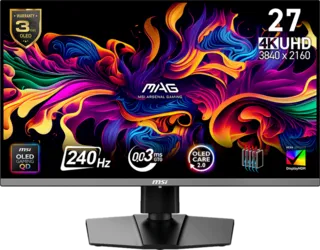
What is HDR? The Basics
High-Dynamic Range (HDR) refers to the ability of a monitor to display a wider range of contrast ratio and color than an SDR (Standard Dynamic Range) display. This means the display is capable of richer blacks and brighter bright colors, resulting in an image that is closer to real life.
As you might expect, this requires a panel with the capabilities to display that wider range of brightness and color, and that's where the HDR feature becomes a desirable one.
What You Need for HDR
Hardware Requirements
Display Panel:
- HDR-capable panel (IPS, VA, or OLED with wide color gamut)
- High peak brightness capability
- Local dimming support (for LCD panels)
Graphics Card:
- Modern GPU with HDR support
- NVIDIA GTX 10-series or newer
- AMD RX 400-series or newer
- Sufficient VRAM for HDR rendering
Content:
- HDR-enabled games or video content
- Properly mastered HDR material
HDR in PC Gaming
HDR support in PC gaming has evolved significantly:
Early Days:
- Limited game support
- Inconsistent implementation
- Windows HDR issues
Current State (2026):
- Wide game support
- Auto-HDR features
- Better Windows integration
- More reliable implementation
Color and Brightness
Expanded Color Gamut
HDR displays can show:
- Wider color range: More colors visible simultaneously
- Better gradients: Smoother transitions between colors
- More vivid colors: Especially in bright highlights
Brightness Capabilities
SDR Typical: 100-300 nits peak brightness HDR Ranges:
- HDR400: 400 nits minimum
- HDR600: 600 nits minimum
- HDR1000: 1000 nits minimum
- HDR1400: 1400 nits minimum
Why Brightness Matters: The higher peak brightness allows for:
- More realistic highlights (sun, explosions, lights)
- Better visibility in bright scenes
- More impactful HDR effect
HDR Formats
HDR10
- Open standard - no licensing fees
- Static metadata - single HDR setting for entire content
- Most widely supported - games, streaming, discs
- Baseline HDR - all HDR displays support this
HDR10+
- Dynamic metadata - scene-by-scene optimization
- Samsung-backed standard
- Better optimization than static HDR10
- Growing support in displays and content
Dolby Vision
- Premium HDR format
- Dynamic metadata with more detailed information
- Licensing required - less common in PC monitors
- Best quality but limited availability
HLG (Hybrid Log-Gamma)
- Broadcast-focused HDR
- Backward compatible with SDR
- Less common for PC gaming
- Primarily for TV broadcasting
HDR Isn't Going Anywhere
HDR has become a standard feature in modern displays and gaming. The technology continues to improve with:
- Better panel technology (Mini-LED, OLED)
- Improved Windows HDR implementation
- More games supporting HDR natively
- Auto-HDR for older games
- Better calibration tools and standards
Future Outlook: HDR is now considered a must-have feature for premium gaming displays, with even budget monitors beginning to support basic HDR capabilities.